Understanding Anti Suicide Fans: A Responsible Investment for Bulk Buyers
- November 18, 2026
- By Rotex Industries
- Latest India Suicide Case: October 2026
- What Is an Anti Suicide Fan?
- Features of Anti Suicide Fans
- Understanding the Anti Suicide Fan Rod
- Working of Anti Suicide Fan
- Applications of Anti Suicide Fans
- Reasons Behind Suicide: Understanding Emotional Distress
- Government Participation & Shark Tank India
- Anti Suicide Fan Manufacturers in India
- Comparison Between Anti Suicide Fans and Normal Fans
- Choosing the Right Anti Suicide Fan Model for Bulk Procurement
- Conclusion: A Responsible Approach to Safety
A life, a family, a future lost. Suicide leaves grief and pain far beyond what anyone could think or prepare for. From recent suicide reports in India, it is clear that we must continue to promote awareness, support and safe environments. What is also needed is understanding and intervention in terms of academic pressure, career-related depression, familial pressures and mental health treatment.
In this case, anti suicide fans have also been introduced as a safety measure at hostels, universities, hospitals, and other collective accommodation facilities. These specialised fan systems can be designed to open during overloading, taking some of the dangers out of a normal ceiling-fan installation.
Latest India Suicide Case: October 2026
A 4th year MBBS student aged 24 years was found dead at Muzaffarnagar Medical College by The Print on 20 October 2026. The victim was a resident of Kaithal in Haryana. The police have taken cognizance of the matter and a probe is underway. The incident has made many aware of the mental health of the students and the on-campus facilities and safety of the students.
These stories must be told responsibly without conjecture or assumption about why a person died. When students are having a hard time they need folks who will listen, safety nets to catch them when they fall and safe spaces to reach out for help without judgement. Prevention technology might prevent the death, but it will never prevent the death of connection, accessible counselling, and a swift response.
MBBS Student Found Dead in Muzaffarnagar College Hostel
What Is an Anti Suicide Fan?
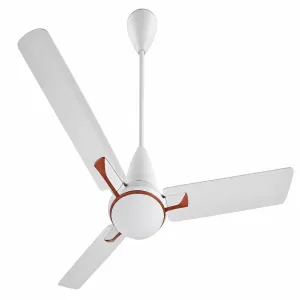
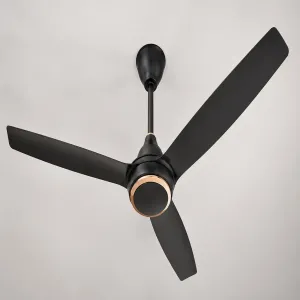
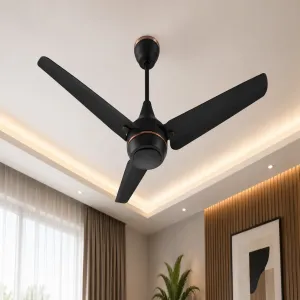
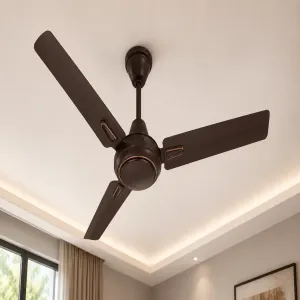
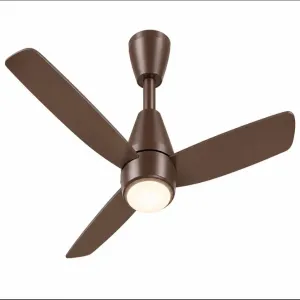
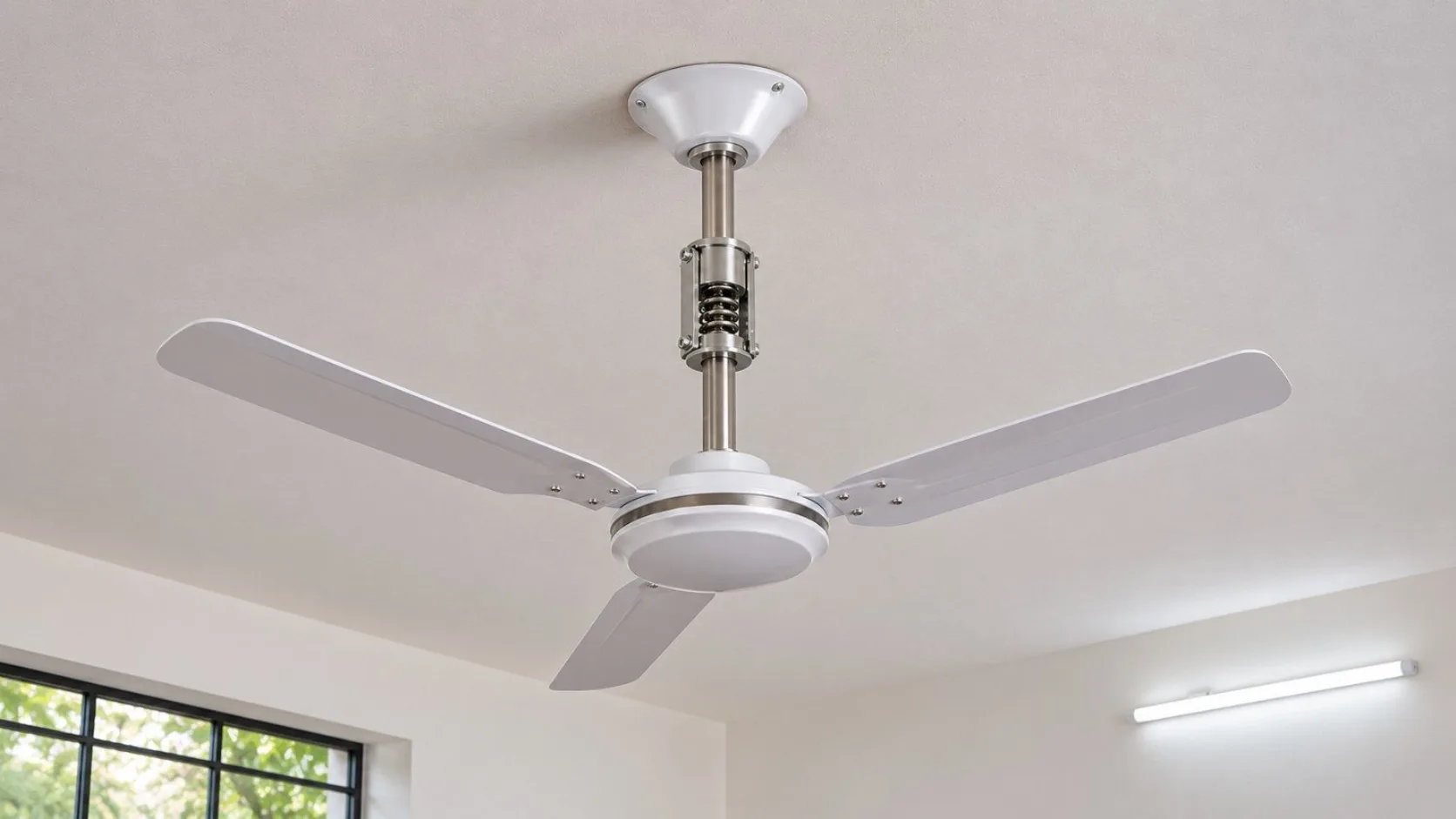
An anti suicide fan is a specific type of ceiling-fan safety system that is intended to lower or fall with the fan assembly when an excessive downward force is applied. It differs from a traditional rigid mounting configuration in that it has a safety feature which, in some cases, can lessen the chance of a fatal injury.
Proposed application: these systems for student hostels, hospitals, residential care, institutions, rented accommodation and other institutional contexts An anti suicide fan rod can be fitted as an attachment to an existing compatible fan. Full safety-fan assemblies are manufactured to include the device as standard.
Potential consumers should check load limits, minimum installation procedures, relevant certifications and all instructions provided by the manufacturer. They should also understand the device is a secondary safety measure, but not a suicide or injury prevention.
Features of Anti Suicide Fans
Combine the safety-fan system with the mechanical design and the practical installation requirements. As an example, the apparatus of the anti suicide fan can be comprised of a release, a spring-loaded joint, and a special down rod. There may be a safety-fan system that will alert you, however check with the trader instead of assuming. Here are some of the features:
- Load activated: Triggered at a prescribed limit of applied load.
- Controlled drop: Enables the fan assembly to settle when the release is released.
- Steel construction: Some rods are made with steel to provide strength and durability.
- Compatibility of installation: Size and mounts should be equivalent and must fit to the fan and ceiling.
- Maintenance requirements: Inspection from time to time to ensure that there is no laxity of material and mechanical.
For bulk purchase, ask for technical documentation, instructions for use and installation, warranty conditions and maintenance before purchase.
Understanding the Anti Suicide Fan Rod
Apart from the mounting point to the ceiling of the fan, the anti suicide fan rod forms the next part of the safety assembly. The anti load joint or spring on the anti suicide fan rod is designed to work on an overload. Proper installation and periodic maintenance ensure reliable operation.
Working of Anti Suicide Fan
It is important to remember that each safety-fan is different and the mechanism varies. Do not assume that all safety-fans share the same release, movement or electrical characteristics. The table below gives an overview of how safety-fans generally work and what purchasing teams should look for before fitting.
| Component or stage | General function |
|---|---|
| Normal operation | Supports the fan during ordinary use within the specified operating limits. |
| Load-responsive joint | Detects excessive force through a designed mechanical release mechanism. |
| Spring or release assembly | Allows the connected fan assembly to move downward when triggered. |
| Electrical safety | Any automatic power-disconnection feature must be verified for the specific model. |
| Inspection and reset | A qualified installer checks the mechanism and follows the supplier's instructions before reuse. |
This device is to remove a particular safety hazard and not all of them. Correct installation, product testing and maintenance must be observed. Institutions should never disassemble the release device or rely on undocumented load ratings or automatic alerts.
Gujarat University and Anti Suicide Fan Fitment
Students also spoke about the need for ensuring physical safety in educational institutions. In October 2026, Veer Narmad South Gujarat University (VNSGU) in Surat had said it had installed spring-loaded safety fans in its hostels instead of regular ceiling fans. News agency India Today reported that it had installed 388 spring-loaded anti-suicide ceiling fans across its nine campus hostels.
The case exemplifies the need to consider what kind of infrastructure is good for the mental health of students, not just how protective gear is to be worn. Universities need to create 'safe spaces' where students can access support, even if that means speaking in confidence.
Click here for detailed information.
Applications of Anti Suicide Fans
Anti suicide fans are used in an institutional environment where the safety is a priority. Buyers need to check the installation instructions and product details before ordering an anti suicide fan model.
- Universities and colleges: Student residence and hall room.
- Hospitals: Patient rooms and mental health care.
- Hostels and PGs: Shared accommodation buildings.
- Hotels: Guest rooms and residential facilities.
- Batch buyers: Schools, hospitals, property developers, and Facility Management firms buying a number of units for the site.
Reasons Behind Suicide: Understanding Emotional Distress
There is rarely one singular cause of suicide. Family history, mental health, social circumstances and the capacity of families, schools and the workplace to support can be a complex cocktail. Once we understand the reasons for someone's behaviour it can assist the family, schools and workplace to respond with compassion.
Career Pressure
You may be feeling uncertain about your career, unemployed, overburdened by bills and scared of failing. You might think that you have missed the boat compared to your friends. Good career support and guidance, and honest talks about other options can ease the pressure.
Family Pressure
Family strife, failure, financial worries or feeling emotionally unsupported may feel lonely for someone. We can help by listening without criticising, seeing and acknowledging distress, and offering professional support if need be.
Heartbreak and Marriage Problems
Separation, divorce and broken relationships and being rejected are hugely painful situations. Don't brush these experiences off as "just a phase." Offer friends and family going through hard times with love and encouragement and the right to process pain, loss and transition.
Academic Pressure
Exams, competitive entrance systems, exam failure and guilt about parents' dissatisfaction affect student wellbeing. Schools and universities should foster reasonable expectations, promote direct access to the counselling and reporting systems and provide rapid responses. Grading should not be equated to self-worth.
Mental Health Problems
Depression, anxiety, trauma etc. can all disturb your mind and colour your mental image of the future. The earlier you can access the right treatment and support, and establish environments that respect your dignity, the better.
Government Participation & Shark Tank India
Suicide prevention can be made at three levels by government, schools/colleges, medical care facilities, and business organisations. The Ministry of Education in India has articulated suicide prevention strategies in the context of ensuring psychological and emotional wellbeing of students, staff, and their families. The data is recorded and generated by the National Crime Records Bureau.
Government Safety and Mental Health Initiatives
Prevention goes beyond installing safety equipment. With this, centers can add a counselling component, train their staff to detect distress, create an emergency response plan and have safer living quarters.
Need Help? In India, mental-health helplines such as India's Tele-MANAS line, 14416, provide additional support for people seeking mental-health assistance.
Sharad Ashani and Shark Tank India
Gold Life, by Sharad Ashani, spurred its patented anti suicide fan rod onto the national stage via Shark Tank India, Season 1, Episode 28 as per the product description supplied for this blog. The episode aired in 2019. The episode exposed people to the idea of a load responsive fan mounting system.
The broader message is that a safety innovation may raise public consciousness. A TV interview, or a patent in isolation, does not alone guarantee that a product is effective under all circumstances. Consumers need to check specifications, independent testing where available, installation information and maintenance support.
Anti Suicide Fan Manufacturers in India
Anti-suicide fans are unique safety equipment that aim to control special issues connected to traditional ceiling fans. There are a few manufacturers in India that produce such unique fan systems. When choosing anti-suicide fans, customers must pay attention to the safety mechanisms of the product. The technical features of the product should also be evaluated and the installations of the fans must be checked.
Comparison Between Anti Suicide Fans and Normal Fans
Standard-ceiling fans and fans with safeguards may appear similar but differ in their mounting configuration. Below table tell about the comparison between about anti-sucide fan and normal fans which help while selecting for hostels, hospitals, residences, etc.
| Comparison factor | Anti Suicide Fan system | Normal ceiling fan |
|---|---|---|
| Mounting design | Includes a specialised release mechanism in applicable models | Generally uses a conventional rigid mounting arrangement |
| Excessive load response | Designed to release or lower the assembly at a specified threshold | Usually lacks a load-responsive release feature |
| Installation | Requires model-specific compatibility checks | Follows standard fan installation requirements |
| Maintenance | Includes inspection of the safety mechanism | Focuses on ordinary fan and mounting maintenance |
| Procurement | Requires verification of safety specifications and mechanism testing | Primarily considers performance, dimensions, and electrical requirements |
| Safety role | Adds a specific preventive safeguard | Provides ordinary ventilation without this specialised safeguard |
The selection should be driven by risk assessment and relevant requirements, cost and ongoing maintenance ability. Neither system could substitute for supervision, emergency planning or mental health.
Choosing the Right Anti Suicide Fan Model for Bulk Procurement
Choosing a product for a large premises cannot be simply based on cost comparison. The correct anti suicide fan model should be appropriate to the specified location, mounting conditions and documented technical specifications.
Before ordering, bulk buyers should consider:
- Specifications: Check the release level, allowable fan weight, parts, and operating limits.
- Compatibility: Check the height of the ceiling, the measurements of the rod and options of the mount and suitability for your fan.
- Help with installation: Find out who will install, test and maintain your machinery.
- Reporting: Request to see a report sample or a warranty card, operating manual, or other document that is given to you when necessary.
- Bulk Purchase: Confirm quantity, delivery date, packing and after-sales service when you buy anti suicide fan in bulk.
Conclusion: A Responsible Approach to Safety
Anti suicide fans are just one approach to addressing the particular physical safety hazard at particular locations in the home and hospitals. What makes them potentially worthwhile is using the right hardware with safety installation, ongoing maintenance and concern for human life. For bulk buyers, informed purchase is to examine technical evidence, compatibility and support in the future instead of listening to advertisements. Even more so for university staff, families and communities: hear, speak professionally and know that no one has to face distress on their own.
Effective prevention needs to be based on practical steps but also on concern, on love and on togetherness and should occur as early as possible.
|
Want to gain a deep insight into the working of anti-suicide fans? Call Rotex today. |